The 16-bit Sonic games are held up as some of the finest platformers the
16-bit era had to offer, and I would totally agree with that, the games are
fantastic, graphically a visual treat, with a cool mascot, well designed levels
and fast paced and engrossing gameplay. Though I don’t doubt there are those
out there that don’t like the Sonic games for one reason or another, which is
fair enough, but it can be said that they (Sega) certainly hit the right spot
with the games at the time. As I remember back to my youthful days, Sega’s
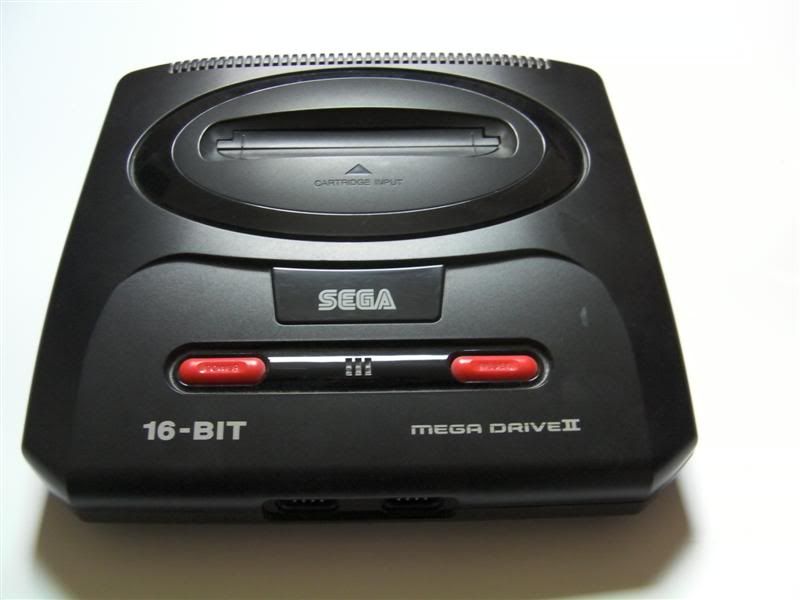
mascot was never far from people’s lips whenever the Mega Drive (MD) was
mentioned, and there were few who hadn’t experienced the Sonic games first
hand. But I never knew at the time how Sonic came to be, I never knew why he
was created, or the pretext for his creation? But nor did I care, or even care
to think about such things, though I find it really fascinating now.
The fact that his existence is tied to that of Nintendo and Mario, and
that without them and their success, Sonic would have been a proverbial no show
is something that just makes me wonder, would Alex the Kid still be Sega’s
unofficial mascot? Well doesn’t bother me so much as I like the Alex the Kidd
games ‘he says in a quiet hushed whisper,’ though it would be a loss for gaming
without Sega’s cool blue blur. But for a corporate mascot created by designer
Naoto Oshima, to become such an icon of cool to so many, when he created Sonic
in response to Sega’s management challenge to its designers to create a rival
to equal and top that of Mario, is some feat by everyone involved in bringing
the games and the hedgehog to life. Sonic was the perfect corporate construct,
created as a response to its rival, and to serve the companys specific aims of
having its own recognisable mascot to associate with its brand, its own must
have platformer, and to drive the MD forward being its killer title. How they
pulled this off and made all the elements work and feel natural, instead of
forced and artificial has to be one of the biggest marketing achievements in
gaming and popular culture history, as Sonic and the games he appeared in
become seamlessly woven into the fabric of 90’s brilliance. The corporateness
of Sonic and the way in which he came to exist is not in anyway demeaning, nor
does it make him a shallow corporate construct, but rather shows how a company
and those within it can produce something with passion and meaning, that in
turn brought joy and happiness to the lives of many millions across time and
continents.
I consider myself privileged to have been a youthful kid during late
80’s and early to mid 90’s, oblivious to the wider world and its intrusive
problems and only concerned with my own immediate small part of it, hell, even
the late 90’s was a pretty great time long since gone. The 8-bit and 16-bit era
was the special time period in gaming for me, I got to experience a lot of
games, few were easy, and many were hard. Sonic managed to captivate me in the
early 90’s, he and his games stood out amongst the crowed of titles I had
played before he swept me off of my feet, maybe some would say I just hadn’t
played the right games before then, but I wouldn’t say so. Nothing said cool like
Sonic did to me and my friends and no other platform games bar Earthworm Jim managed
to come even remotely close. Nobody on the playground of petty school arguments
and whimsical fallings out would dare argue differently, no not in my school,
not for fear of ridicule and mockery, bullying or of being outcast, but because
everyone thought the same. Sonic and all of his MD games were cool, they were
the best platformers, it was an unspoken, unwritten law, Sonic was ‘in,’ and we
all damn well knew it! Even those of us that owned Nintendo systems, myself
included, and even those that didn’t own anything Sega, and yes, even those
that owned home computers, all at the time, at least at my School, knew Sonic
wasn’t a cheap trick fad, we all knew the Sonic games were a must play must own
experience not to be missed out on.
I never owned a MD at the time, but that didn’t stop me from
experiencing what the console had to offer, thanks in no small part to my
friend and his deep cash filled pockets that kept a constant stream of games
flowing his way. I was always around his house playing on the latest game he
had acquired, and he would do the same when I got a SNES. In those early days,
you experienced other platforms and different types of games through your
friends, as next to no one had the luxury of owning multiple systems of that particular
generation, as is now the norm these days. So it was at my friends house that I
first played Sonic 1, and I honestly couldn’t quite believe what I was seeing,
the levels were so detailed, filled with vibrant bright colours, tons of
enemies, with different routes Sonic could traverse through the levels, and it
was all seamlessly fast paced with some excellent sound. My friend was pretty
smug in the fact he owned Sonic the Hedgehog, and a MD for that matter,
especially now he had a game that finally showed off just what the console
could do and what Sega represented. All I could think while watching him play
the game was when is he going to shut up talking and give me the bloody controller,
it was a joyous mesmerising thing to watch the game run, but I couldn’t have
snatched the controller from his hands fast enough when he decided it was
finally my turn. So that’s how I got to experience Sonic for the first time and
was able to join in with the growing banter at school about each game, and how
I managed to become acutely familiar with the 16-bit versions of Sonic 1 &
2 over time. I never got the chance to play Sonic 3, which was one game that
managed to escape me, although I do remember my friend having it in his
possession. However I was fortunate at some point to play a considerable amount
of Sonic & Knuckles, though it was only for a brief period and never long
enough to work up an affinity with the title like the first two.

But I have a confession to make,
and its one that’s quite niche and controversial that when uttered, would
either make you laugh and point, thinking I’m some kind of crazy, or reach for
the nearest pitchfork and quick dial for the inquisition to sentence me for my heresy.
Although I became very familiar with the MD versions of Sonic 1 & 2, and
the MD version of Sonic the Hedgehog being my revolutionary experience of that
title, introduction to the series, Sonic and helped cement Sega as the
definition of ultimate cool in my mind. The truth of the matter is all these
years I have had to keep this under wraps, for fear of ridicule and rejection
and the lack of others willingness to understand from my point of view. I
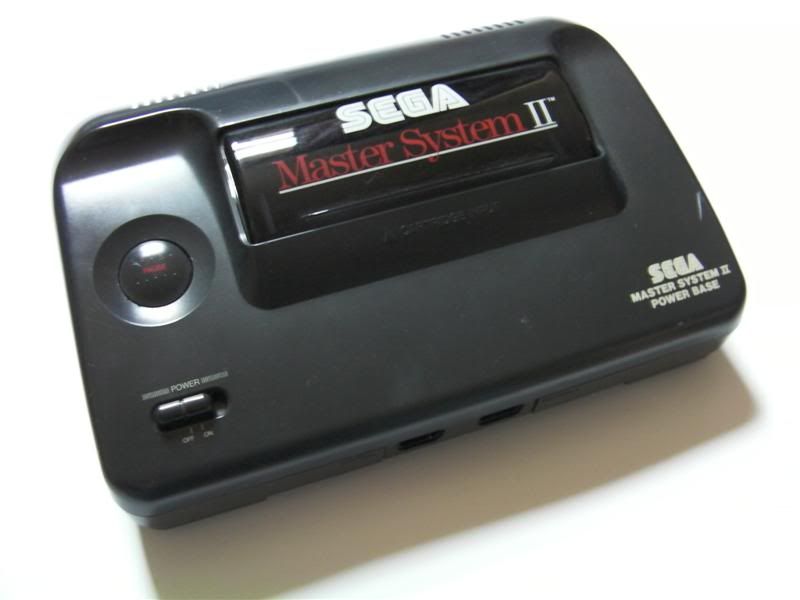
actually prefer the Master System (MS) version of Sonic the Hedgehog over the
MD version any day of the year, and as much as I had a rocky love/hate
relationship with the 8-bit Sonic 2 because of its steep difficulty level,
again, I still prefer that version over the 16-bit one. I’m sure any Sonic and
Sega fan will probably be shocked at the mere thought of this, and most within
the mainstream would have me down as a nutter for choosing what some would see
as the lesser games over the obvious (in their eyes) superior ones.
Maybe it’s just me, who knows? Because I have never found another
kindred soul that has felt the same way about the MS Sonic titles, but then I
have never had cause to mention the fact either, or had the strength and willingness
to. I came close once, i told the very same friend who had introduced me to
Sonic that although I had a SNES (at that point in time,) I still loved playing
on the MS and would never get rid of it because I had too many awesome games on
it that the SNES didn’t have, and quite frankly couldn’t beat in terms of
playability, like Operation Wolf for example. Well that didn’t go down well, as
he laughed and joked at my expense all the way to the shops about it, ‘the MS,’
he scoffed, ‘the MD and SNES have far better graphics, and the games are better
than anything on the MS,’ he continued, so I knew then that there was no point
in trying to continue with that argument.
In the early 90’s when a scuffle broke out between friends on a certain matter,
it would then lead the issue to be taken directly to the ‘higher ups,’ as was
the customary law of the playground. The ‘higher ups’ were a handful of your
most popular friends within your circle who would form a small group, or
council to settle delicate matters like this. Each party in question would
argue the finer points of their cause, once they (the council) ruled on a
matter, whatever it was about, it was passed into law and everything was
considered settled, even if later they were proved wrong. Go against their
ruling and you were punished by being outcast for a certain length of time,
destined to wonder the school yard alone, I was witness to this form of justice
countless times over, and it was never easy to accept, I think everyone had to suffer
it at least once or twice as the years rolled by. It all might seem very harsh
and Lord of The Flies now, but this was serious stuff to the young generation
of the 90’s. So I couldn’t continue to champion the MS before my friend, and
had to bite my tongue on my thoughts about which versions of Sonic I preferred,
if I had persisted, he would have brought the debate before the council, and I
had the overwhelming feeling I wouldn’t win them over to my train of thought on
account that they all owned either a MD or SNES.
Sonic The Hedgehog - Master System
The MS version of Sonic the Hedgehog is quite different to the MD
version, it doesn’t tranquilize a player with detailed fancy graphics in the
way that only the MD could, nor could the developer have Sonic move through
levels at the same speed or populate them with as many enemies. A different
approach was needed, one that suited the 8-bit hardware and built upon its
strengths and weaknesses and formed its own unique experience, rather than
being a poor cut down one to fit the MS.

The 8-bit Sonic the Hedgehog wasn’t a compromise or a cut n’ shut, it
was crafted into its own compelling game, but borrowing certain key elements
from the 16-bit version: such as having three acts in each zone, collecting
over fifty rings to reach a special stage, and generally keeping most basic elements
that were present in the MD version that would become the signature attributes
of the Sonic franchise. But while the gameplay was from the same gene pool, it
had its own feel and construct to it, with the level design tailored to suit
this different approach to the gameplay. The MS version was about precise
platforming at its heart: with Sonic’s movement slower and more carefully
planned across levels, simple yet challenging level design, with carefully
timed jumps needed, strategically placed enemies, and a good balance of
difficulty. Mistime a jump or falter at killing a well placed enemy and Sonic
will either loose his rings (which cant be re-collected,) or his life, carful
yet meticulous precision in manoeuvring Sonic about each stage is what will see
you through to the end of the game. This is a title where the layout of each
stage and the position of all dangers within it need to be memorized, as the
game has some strategically placed enemy’s, spikes and bottomless pits. Some enemy’s
can appear on screen pretty fast, sometimes just where your expected to be jumping,
as if the developers designed stages with cause and effect in mind, knowing
that if they designed them in a certain way, it would force any new player unfamiliar
to the game to jump into harms way, crafty and clever as hell!
The special stages are much different to, rather than being a place to
obtain a crystal, they alternatively served as a place which allowed the player
the chance to gain a continue (which are needed to see you through the game) by
destroying a TV. These are always positioned in an awkward spot between or by obstacles
that repel Sonic away if touched slightly. A time limit coupled with more
infuriating level design always made for some pretty tense, if not rage
inducing punch the TV screen moments, as Sonic not only had to destroy the TV
to get the continue, but then navigate further through the level to the
finishing TV panel at the end.
There are rings in the game to act as a barrier between Sonic and his
death, as well as act as an added challenge for the player to either obtain an
extra life by reaching a hundred rings or anywhere over fifty to be granted
access to the special stage. There are also springs doted throughout the game,
but instead of these being used in such a way as to help drive the momentum of
Sonic through a stage and keep his speed up, the MS version uses them merely as
a tool to reach rings that would otherwise be out of reach, or to gain access
to another part of a stage. If you do get hit by another enemy of jump on a
spike, then you will loose all the rings you have collected as they don’t spill
out of Sonic for the player to re-collect them like in the MD version, this
adds more tension to the game and causes the player to be more carful.
Sonic himself is also well designed and well animated for his 8-bit outing;
his proportions are well balanced against the enemies in the game as well as
against the levels in general. His features and shape are sharp, clear and easy
to pick out, with his blue spikes flapping in the wind as he runs and his
impatient tapping of his foot if you leave him idly standing.
There is a lot more that I could say about this MS Sonic game, about how
well designed the levels truly are (Jungle Zone being my particular favourite,)
about how each crystal is craftily hidden away in an act within each one of the
zones, and more besides. But the proof as to really how good this Sonic game
is, and the subsequent MS sequels for that matter, is really in the pudding as
it were. The MS Sonic games as a whole are a true testament to the platforming
genre and how to make a popular game series transition from a powerful piece of
hardware to one less powerful. Yet, in doing so, keep all the key signature
elements associated with the games and craft new titles that can stand on their
own without being cheap cut-down limiting versions best consigned to the past.

It’s a real shame that when everyone reminisces about the good old days
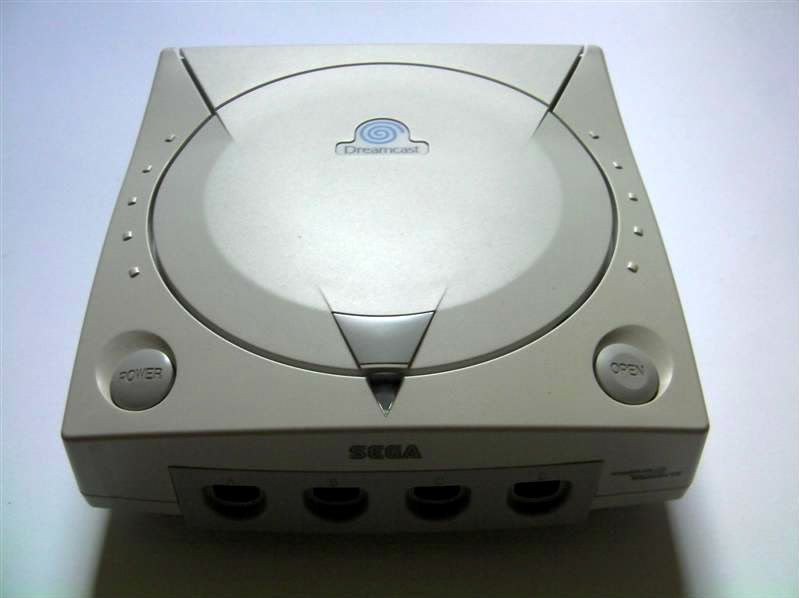
of Sonic, it’s always without fail about the MD and Dreamcast titles, which is
no bad thing, but Sonic appeared in far more great games on other systems than
just them two in particular. I for one would like to see a retro compilation
from Sega which consists of all the other Sonic titles made since his
inception, with the MS games at the forefront of such an endeavour. These games
are too hidden away and forgotten for my liking, they need to be brought back
from the doldrums and into the open so everyone with a penchant for the mighty
blue blur can experience just how damn good all his other platform games are.
Sonic the Hedgehog 2
Developer – Aspect
Release – 1992
System – Master System/Game Gear
Sonic 1 on the MS set a pretty high benchmark for the series on the
system as the blue blurs debut was a pretty superb one that set the standard
pretty high for any and all sequels, let alone any other subsequent platformer
on the system. But Sonic 2 managed to take everything that was great and
perfect and improve upon it in all areas, that is accept for the games balance
in difficulty, which for this outing was made more difficult, especially in
certain stages such as Aqua Lake act 2.
The graphics were slightly improved, not so much that they were a world
apart from Sonic 1, but they were just noticeably better with a smidgen more
detail and colour. Sonic himself looked pretty much the same, though subtle improvements
like adding his trademark red and white shoes which wasn’t present in the first
game made for a nice touch.
Add the fact that the level design was much better with more intricate
stages in certain zones, the ability to collect back lost rings, vastly
improved tunes that are far more memorable and catchy, as well as the addition
of the hang glider and mine cart and what you have is one hell of a sequel.
The only downsides to the game is the lack of the spin-dash, but then
the game was released before the MD version so its absence is understandable,
and the increase in difficulty rather than a more even balance, but otherwise
what’s not to like about this game.
Sonic the Hedgehog: Chaos
Developer – Aspect
Release – 1993
System – Master System/Game Gear
Also known as Sonic Chaos in the US and Sonic & Tails in Japan, this
is the third Sonic game to be released on the MS, and you would naturally
assume that if Sonic 2 managed to continue the high standards of the first
8-bit Sonic game as well as improve upon it, then Chaos should have reached a
higher level of tailored perfection. Unfortunately this game lacks the high
standards set by the previous two games as it seems to be a poor reworked game
from the ground up, instead of taking the game and graphical engine and trying
to make subtle tweaks and improvements with better music and level design.
The graphics seem to have taken a significant hit, the game doesn’t look
as good as Sonic 2 with a real lack of subtle detail that was brought into the
previous game, though at times the visuals do look pretty interesting in some
stages. Sonic seems to have been redesigned, looking far worse with terrible
animation as well as his proportions looking out of sync against the levels.
The crystals now have to be collected in the special stages instead of
hidden throughout the levels, which takes away from the replayability aspect of
the game and the element of discovery. Its also harder to reach the special
stages as you now have to collect a hundred rings as opposed to over fifty, and
with the sharpest of difficulty of all the games, a real understanding of each
level is a must if you ever hope to reach those special stages and collect all
the crystals.
The game does have a few saving graces, such as introducing Tails as a
playable character for the first time on the 8-bit games (though he did make a
small appearance for the first time in Sonic 2) as well as introducing Sonics
spin-dash. The Special stages are also different and varied with each one
different from the other and testing your various platform skills to obtain the
crystals.
On the
whole this is the worst of the three, yet it should have been the best, it’s a bit
of a let-down after the other games were so damn good, though does have some
more unique elements to it, but don’t be surprised if you don’t find yourself
going back for more.
Sonic Blast
Developer – Aspect
Release – 1996 Game Gear/1997 Master
System
While Sonic Blast was first and foremost made for the Game Gear, and is
essentially a Game Gear release, it did eventually receive a MS release in
Brazil only by TecToy in 1997, and it’s quite unique enough to be featured
here.
The game is perhaps one of the most visually accomplished of any 8-bit
game released as it sports pre-rendered graphics, quite an accomplishment for
an 8-bit system, though its perhaps fair to say that the visuals would have
been better suited to any other game or series other than Sonic The Hedgehog.
Some stages don’t look all that amazing while others do; it’s quite the mixed
bag, with some looking quite bland and uninspiring, and at times lacking the
detail of previous 8-bit Sonic games. While you will wonder if some of the
stages have benefited from pre-rendering at all, Sonic and the enemy sprites on
the other hand are clearly quite detailed and accomplished, with some excellent
animation, though they do look somewhat out of proportion set against the
backdrop of the levels.

Gameplay wise it’s the usual Sonic fair, but without the high polish and
shine of previous titles, in fact this is perhaps the worst Sonic game pre
Sonic Heroes in terms of gameplay as its lacking the magic that keeps a player
going back for more. The stages are simple and uninspiring, the controls are
ropy and there are simply better platformers out there, the inclusion of
Knuckles as a playable character and pre-rendered graphics do little to save
the game in the face of poor gameplay.




+(Small).bmp)